
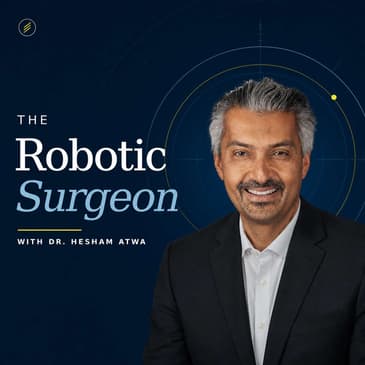
Welcome back to The Robotic Surgeon with Dr. Hesham Atwa. In this episode, the conversation focused on the evolving landscape of obesity treatment, examining the choices between gastric sleeve surgery and anti-obesity medications (AOMs) such as GLP-1 receptor agonists. A key theme that emerged was the misconception that obesity is solely a matter of personal willpower; Dr. Atwa explored the significant role genetics and medical factors play in weight gain. Several points were raised, including the various options now available for weight loss, from lifestyle changes and medications to innovative surgical procedures, and the importance of treating obesity as a chronic disease similar to diabetes or cancer. Listeners will also gain insights into the practical realities behind each approach, the myths versus facts about surgery, and the positive impact effective treatment can have on quality of life.
Timestamps:
00:00 Discussing weight loss options
04:41 Challenges of dieting and weight loss
06:56 Diet and exercise advice for weight loss
12:13 Weighing medication vs. surgery costs
14:10 Considering non-surgical weight loss options
16:32 Side effects and loose skin concerns
Gastric Sleeve vs. Anti-Obesity Medications: Insights from The Robotic Surgeon Podcast
In a recent episode of The Robotic Surgeon podcast, Dr. Hesham Atwa, a prominent robotic and bariatric surgeon based on Long Island, shared timely insights into obesity treatment, comparing gastric sleeve surgery to the growing popularity of anti-obesity medications (AOMs), including GLP-1 agonists. This blog will break down key takeaways from the episode, offering guidance for those considering options for sustainable weight loss and better health.
Understanding the Obesity Epidemic
Obesity is now a prevalent health crisis, with approximately 30 percent of the U.S. population classified as overweight and millions qualifying for weight loss surgery. Despite the severity of this issue, only a small fraction of those eligible actually receive surgical help. Dr. Atwa highlights that even with the increasing range of treatment options, access and acceptance of care are ongoing barriers.
Genetics and the Causes of Obesity
One of the foremost misconceptions about obesity is that it is always the individual’s fault. Many assume overeating or lack of exercise are the sole causes. Dr. Atwa emphasizes that genetics is actually the number one contributor, with factors like medication, stress, and the food environment also playing critical roles. He points out that there are at least 50 different reasons someone could be struggling with excess weight, and it's crucial for patients to understand that obesity is a complex medical condition needing medical intervention.
How Do Medications Work for Weight Loss?
Anti-obesity medications, especially GLP-1 agonists, have surged in popularity. These treatments typically come as pills taken daily or injections given weekly. The mechanism of action involves several steps: they suppress appetite by acting on the brain centers that regulate food cravings, help patients feel full faster, and delay stomach emptying. With these medications, typical weight loss ranges from 10 percent to 25 percent of overall body weight, depending on the individual and the specific medication.
While medications are helpful, Dr. Hesham Atwa notes that the appetite and food cravings often return if patients stop taking them, leading to weight regain in many cases. Some patients manage to maintain weight loss with diet and exercise after discontinuing the medication, but these cases are in the minority.
Gastric Sleeve Surgery: What Really Happens?
Gastric sleeve surgery involves removing about 80 percent of the stomach, leaving a small tube-shaped stomach. This not only restricts the amount of food a person can eat, but also removes the part of the stomach that produces the hunger hormone ghrelin, dramatically reducing hunger. The results with gastric sleeve surgery are impressive. Patients typically lose about 30 percent of their body weight, with the most significant loss plateauing within 9 to 12 months. The long-term effects are more durable than with medication alone, and many patients report profound improvements in their energy, sleep quality, joint pain, and overall confidence.
Combining Treatments and Lifestyle Changes
Dr. Atwa advocates for a multifaceted approach. Success is most likely when medical, surgical, and lifestyle interventions come together. Regardless of the chosen strategy, sustainable results depend on ongoing healthy eating and regular physical activity. Patients are encouraged to eat protein-rich foods, minimize carbohydrates, and commit to consistent exercise to keep the weight off.
It’s also noted that sometimes both medication and surgery are used in tandem, either to help super-morbidly obese patients reach a safer weight before surgery or to maintain weight loss afterward.
Weighing the Cost and Potential Drawbacks
Dr. Atwa addresses the financial aspects openly. Anti-obesity medications can be expensive without insurance, costing several hundred to over a thousand dollars per month, while surgery tends to be covered by insurance more frequently and is a one-time expense. When considering long-term costs and health benefits, many find surgery to be a more economical and sustainable option.
While procedures and medications are generally safe, there can be side effects, including pancreatitis and gallbladder disease with medications, as well as possible loose skin and rapid fat loss with both treatments. Patients are advised on ways to manage these issues, such as taking collagen supplements, rigorous exercise, or seeking additional cosmetic procedures when needed.
Final Thoughts: Finding the Right Treatment
Obesity is a chronic disease with life-altering impacts. As Dr. Hesham Atwa explains, effective treatment starts with understanding the underlying causes and tailoring interventions accordingly. Whether through medication, surgery, or a combination, choosing the right strategy under expert guidance can transform both quality and length of life. For many, the path to a healthier future is possible with the comprehensive, supportive care outlined in this insightful episode of The Robotic Surgeon podcast.
Dr. Hesham Atwa - https://www.linkedin.com/in/hesham-atwa-md-facs-268067267/
Long Island Laparoscopic Doctors - https://journeytothenewyou.com/
Mastering Robotic Surgery by Hesham Atwa, MD - https://journeytothenewyou.com/mastering-robotic-surgery-book/
The Robotic Surgeon - https://theroboticsurgeonpodcast.com/
“Disclaimer: Informational only. Not medical advice. Consult your doctor for guidance.”